Language learning
The best language learning apps in 2026
Duolingo, Babbel, Anki, Memrise, and Glancealot are five of the most popular ways to learn a language on your phone. Here is what each one is genuinely good at, where it falls short, and how to combine them.
The “best” language app is really the one that fits the job you are hiring it for. Some are built to teach you from scratch, some to drill vocabulary until it’s permanent, and some just to keep what you have already learned from quietly slipping away.
Below is a quick comparison of each app, including where it falls short, followed by a simple way to pair two of them for far better results than any single app on its own.
At a glance
| App | Best for | Approach | Price | Platforms |
|---|---|---|---|---|
| Duolingo | Staying consistent | Gamified lessons | Free · Super from ~$7/mo | iOS, Android, Web |
| Glancealot | Passive daily review | Lock & home screen widgets | Free · Pro $4.99/mo unlocks all packs | iOS (widgets) |
| Babbel | Structured beginners | Guided courses | From ~$14/mo | iOS, Android, Web |
| Anki | Serious memorisation | Spaced-repetition flashcards | Free (iOS ~$25 one-off) | iOS, Android, Web, Desktop |
| Memrise | Real-world phrases | Video clips + SRS | Free · Pro from ~$9/mo | iOS, Android, Web |
Prices are approximate and vary by region and promotion. Check each app for current pricing.
The five apps, by what they do best
Best for staying consistent
Duolingo
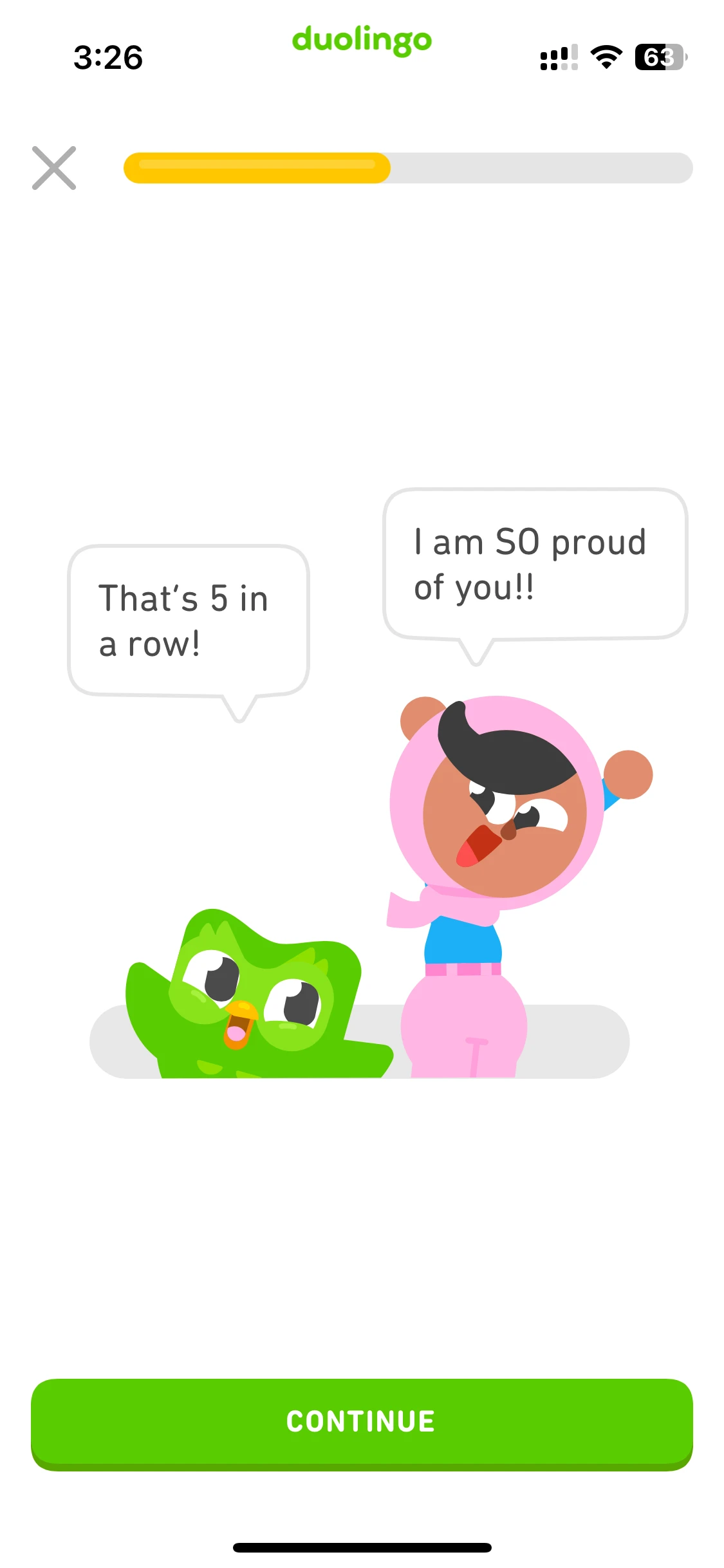
Duolingo is the app most people start with, and for good reason. Its streaks, leagues, and bite-sized lessons make daily practice genuinely hard to skip, and it stays free across dozens of languages. The trade-off is depth: you build recognition and a habit faster than real conversation, and grammar is often left for you to infer.
- Approach
- Gamified lessons
- Price
- Free · Super from ~$7/mo
- Platforms
- iOS, Android, Web
- Watch out
- Light on real conversation and grammar depth.
Best for passive daily review
Glancealot
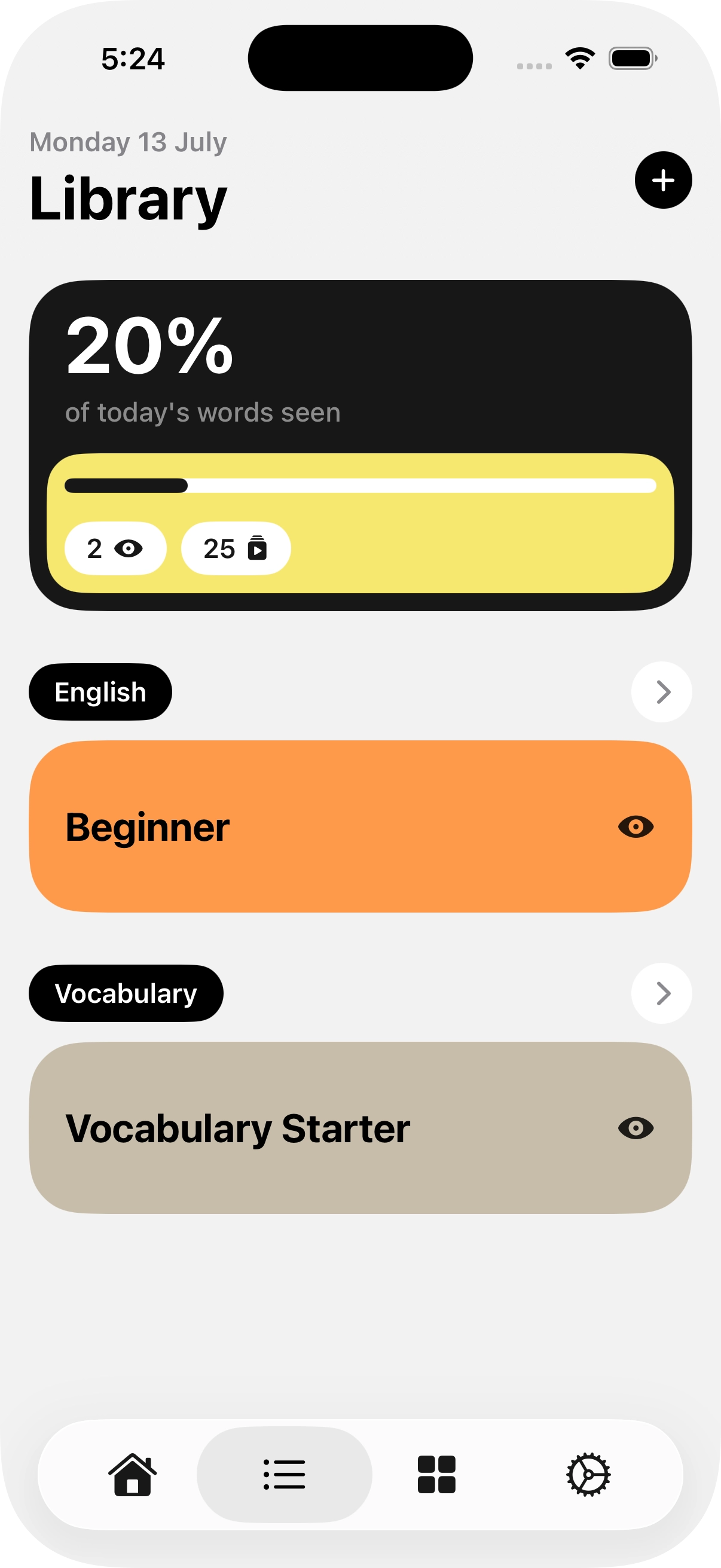
Glancealot takes a different job entirely. Instead of lessons, it shows a word, its translation, and a little context right on your iPhone lock and home screen, so review happens in the seconds you would otherwise spend doing nothing. It’s free to start, with an optional Pro subscription ($4.99/mo) that unlocks every language pack and extra features. It won’t teach you a language on its own; it’s the piece that makes the words from your main app actually stick.
- Approach
- Lock & home screen widgets
- Price
- Free · Pro $4.99/mo unlocks all packs
- Platforms
- iOS (widgets)
- Watch out
- A review companion, not a full course on its own.
Best for structured beginners
Babbel
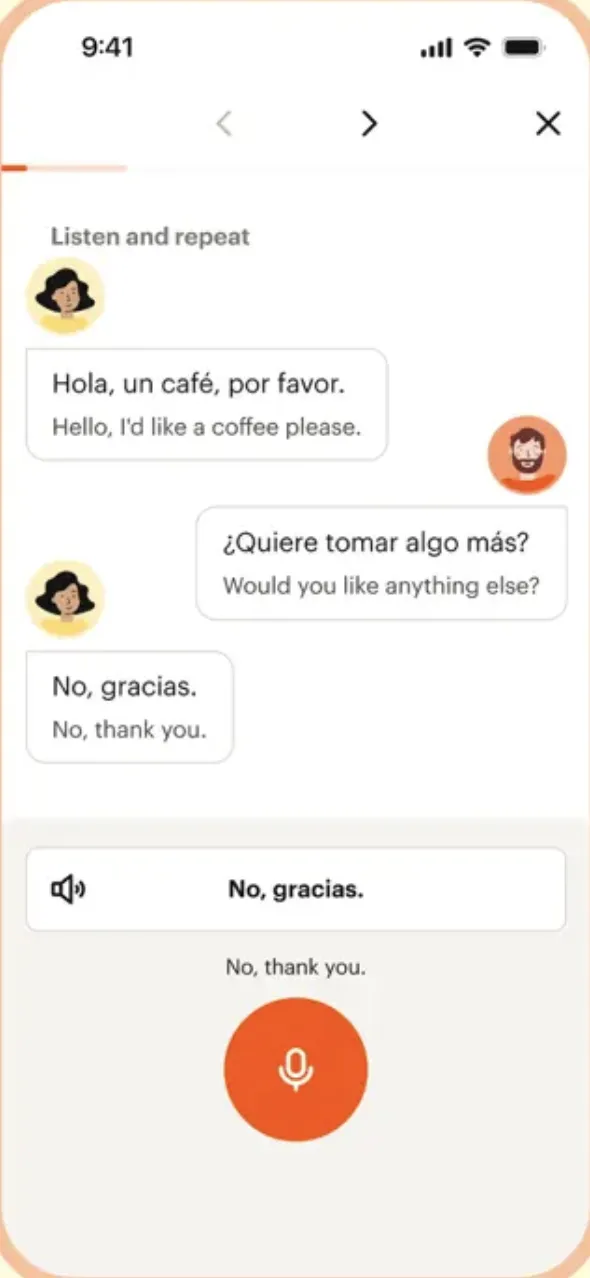
Babbel is the closest thing here to a traditional course. Lessons are built by linguists around practical, real-world dialogue, with the clear grammar explanations Duolingo tends to skip. It’s a paid subscription and covers fewer languages, but if your goal is holding a conversation on your next trip, that structure pays off.
- Approach
- Guided courses
- Price
- From ~$14/mo
- Platforms
- iOS, Android, Web
- Watch out
- Subscription only; fewer languages than Duolingo.
Best for serious memorisation
Anki
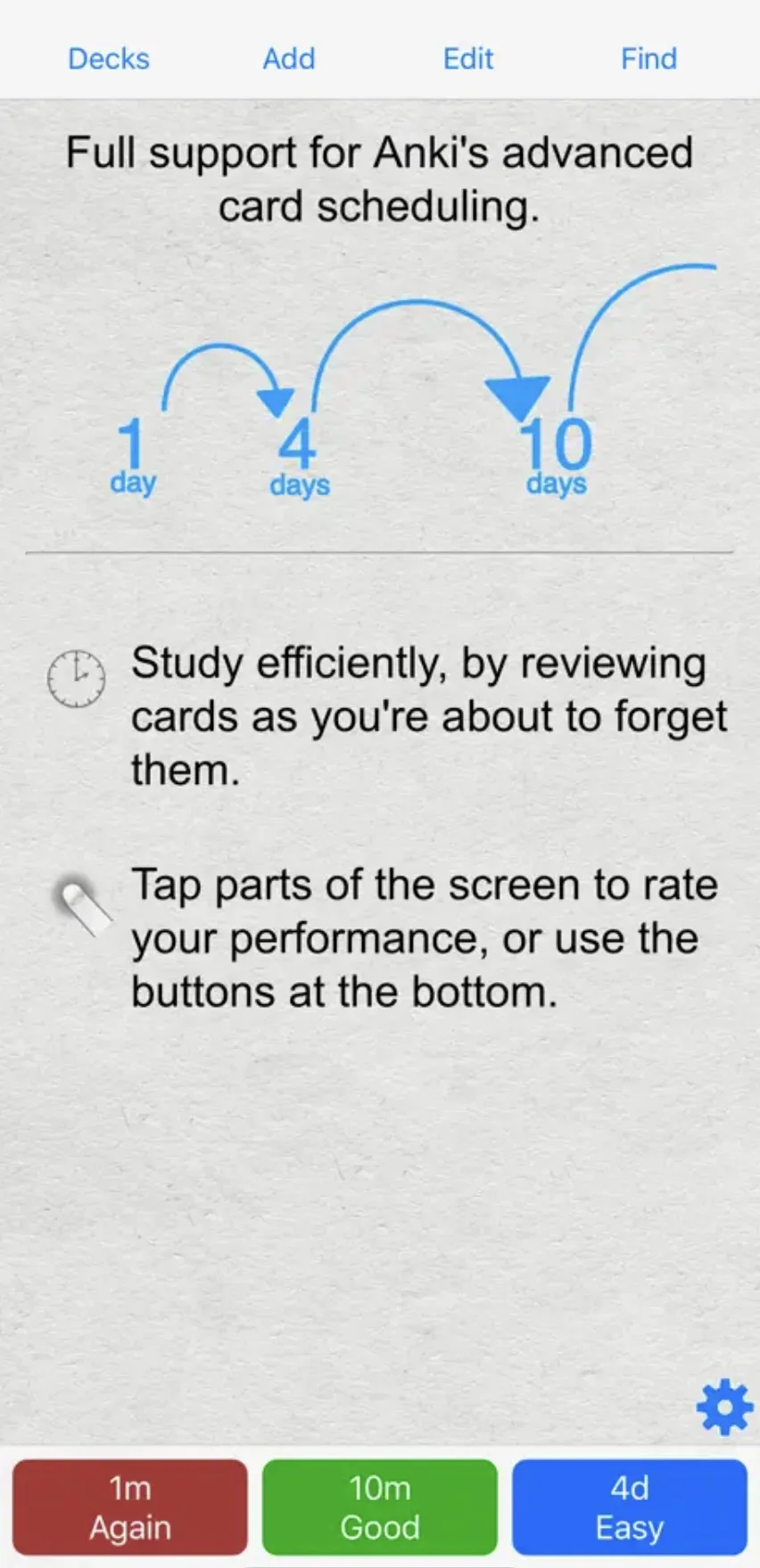
Anki is the power tool. Its spaced-repetition engine is the gold standard for long-term retention and it’s endlessly customisable, which is exactly why it has a learning curve. You build or import your own decks and the plain interface asks for patience, but for students and anyone with a lot to memorise, nothing beats it.
- Approach
- Spaced-repetition flashcards
- Price
- Free (iOS ~$25 one-off)
- Platforms
- iOS, Android, Web, Desktop
- Watch out
- Steep setup; you build or import your own decks.
Best for real-world phrases
Memrise
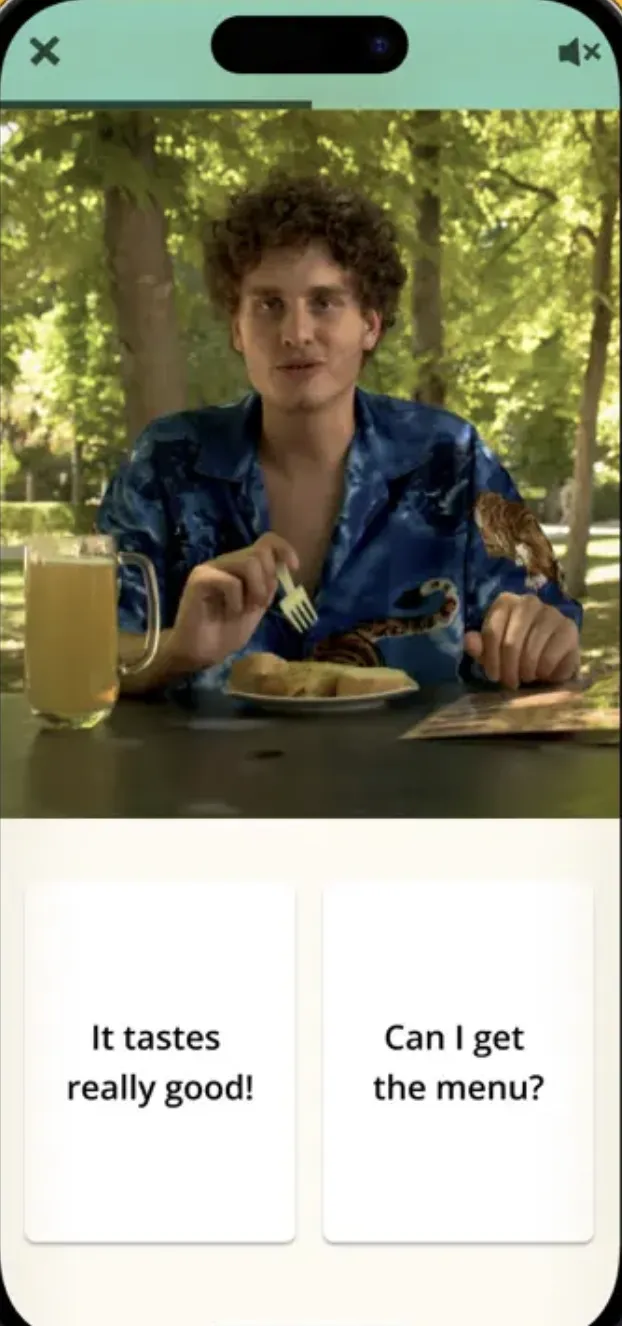
Memrise sits between a course and a flashcard app, leaning on short video clips of native speakers using real phrases. It’s a good way to train your ear and pick up everyday language, though the most useful content sits behind the Pro paywall.
- Approach
- Video clips + SRS
- Price
- Free · Pro from ~$9/mo
- Platforms
- iOS, Android, Web
- Watch out
- Best content sits behind the paywall.
How to choose (and why to combine two)
Most people who succeed at a language do not rely on one app. The effective setup is a learning app plus a review app: use Duolingo or Babbel to introduce new words and grammar, then use a spaced-repetition or widget app to make those words stick. That second half is where most learners quietly fall down. You finish a lesson, feel good, and then never see the words again until the next session.
That gap is exactly what Glancealot is built to close. It puts a word, its translation, and a bit of context on your iPhone lock and home screen, so review happens passively every time you glance at your phone. There’s no lesson to start and no account to create; it’s free to begin with, and an optional Pro subscription ($4.99/mo) unlocks every language pack and extra features when you want more.
Frequently asked questions
There is no single winner; it depends on your goal. Duolingo is best for building a daily habit, Babbel for structured beginner courses, Anki for hard-core memorisation, and Glancealot for effortless passive review throughout the day. Most people who stick with a language combine two: a course app to learn, and a review app to remember.
Duolingo is free, gamified, and great for consistency across many languages. Babbel is a paid, more structured course built by linguists, with stronger grammar and practical conversation. Choose Duolingo to stay motivated cheaply; choose Babbel if you want a clearer path to real conversations.
Duolingo and Anki (on Android, web, and desktop) are free for full use. Glancealot is free to start too: it surfaces vocabulary on your iPhone lock and home screen with no account, with an optional Pro subscription ($4.99/mo) that unlocks all packs and extra features. Duolingo covers full lessons and Anki handles spaced-repetition flashcards, so the three cover very different jobs.
Retention comes from spaced repetition and frequent, low-effort exposure. Apps like Anki schedule reviews at increasing intervals, while widget apps like Glancealot keep words in front of you during normal phone checks so review happens passively, closing the gap between learning a word and actually recalling it later.
Start learning for free.
Glancealot turns the dead seconds on your lock screen into something you'll actually remember.
